Neltje Blanchan
Neltje Blanchan was a 19th-century writer known for her nature literature works, characterized by her delicate observations and profound understanding of nature.
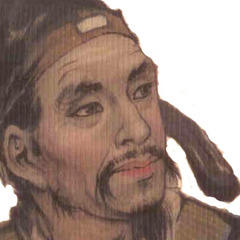
Neltje Blanchan was a 19th-century writer known for her nature literature works, characterized by her delicate observations and profound understanding of nature.
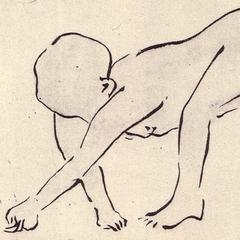
A renowned poet of the Edo period in Japan, Yosa Buson is hailed as the master of haiku. Born in 1716 and died on December 25, 1783, Buson's poetry is characterized by its simplicity, clarity, and profoundness, which had a profound impact on the development of haiku in later generations.
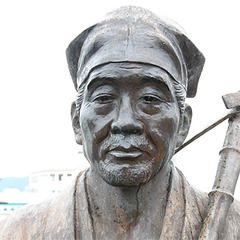
Matsuo Basho was a renowned Japanese poet from the Edo period, hailed as the god of haiku. His poetry is characterized by its simplicity, conciseness, and profound meaning, exerting a profound influence on later generations.
Ambrose Philips was an English poet known for his lyrical and meditative verse. Born in 1674, he was a prominent figure in the literary circles of his time, particularly during the early 18th century. His works often reflected a deep sense of spirituality and a contemplative approach to life.
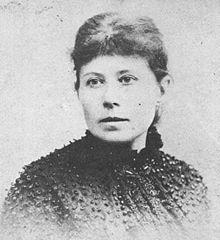
Maria Konopnicka, a Polish poet, was born on May 23, 1842, and died on October 8, 1910. Her poetry was deeply influenced by Polish nationalism and romanticism, and she is considered one of the most important poets in the history of Polish literature.
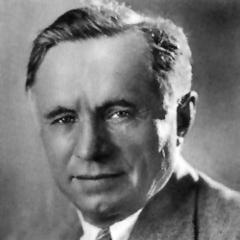
William Wendt, born in 1865 and died on December 29, 1946, was a mysterious figure whose profession and category remain unknown.
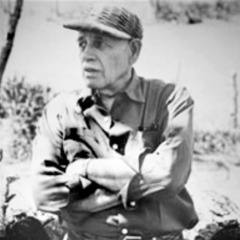
Hal Borland was an American author known for his profound insights into nature and his beautiful prose. His works often depict the life and natural landscapes of the American countryside with concise and profound language.
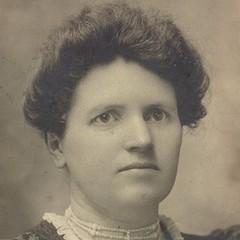
B. M. Bower was a British author renowned for his historical novels. His works are typically set against the backdrop of 19th-century British society, delving into the social landscape and the fates of individuals of the time. Bower's writing style is delicate, with vivid characterizations that have won him a wide readership.
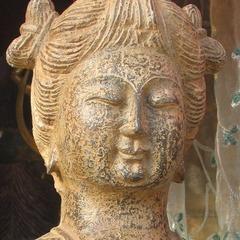
Sun Bu'er, also known as Zi Ming and Qing Jing San Ren, was a Taoist immortal and one of the seven immortals of Quanzhen Taoism during the Jin Dynasty. Born in 1119 and died in 1182, Sun Bu'er was a highly intelligent individual from a young age who was deeply interested in Taoism. She became a disciple of Wang Chongyang, the founder of Quanzhen Taoism, and dedicated herself to the propagation and practice of Taoism.
Eliza Lucas, born on December 28, 1722, and died on May 26, 1793, was a woman of unknown identity. Limited information suggests she may have been a historically influential figure.