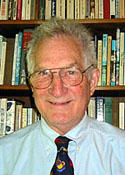
Kenneth W. Ford
Kenneth W. Ford is a renowned science fiction writer, born on May 1, 1926. His works are known for their deep scientific imagination and unique insights into the future.
Kenneth W. Ford is a renowned science fiction writer, born on May 1, 1926. His works are known for their deep scientific imagination and unique insights into the future.
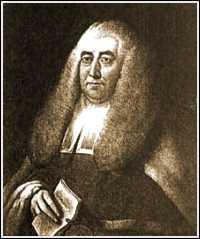
William Blackstone, a British jurist, was born on July 10, 1723, and died on February 14, 1780. He is a significant figure in the history of British law, known for his systematic compilation and exposition of the common law of England.
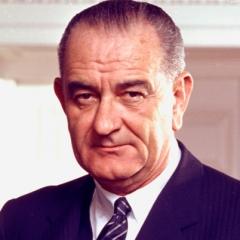
Lyndon B. Johnson, the 36th President of the United States, served from 1963 to 1969. He assumed the presidency following the assassination of John F. Kennedy and is known for his 'Great Society' programs aimed at reducing poverty and racial injustice.
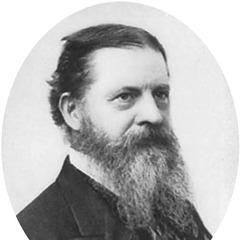
Charles Sanders Peirce was an American philosopher, logician, and scientist, born on September 10, 1839, and died on April 19, 1914. Known as the founder of modern symbolic logic, Peirce's philosophical ideas have had a profound impact on fields such as logic, philosophy of science, and cognitive science.
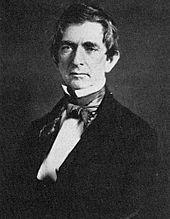
William H. Seward was a prominent American politician known for his role in U.S. diplomacy and his stance on the issue of slavery. He served as the Governor of New York and later as the United States Secretary of State under President Lincoln, playing a crucial role in shaping American foreign policy and advocating for the abolition of slavery.
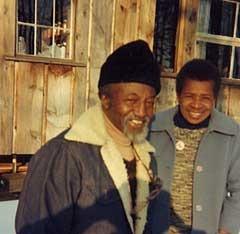
Juanita Morrow Nelson was an American author known for her children's literature. Born in 1923 and passed away on March 9, 2015, her works were celebrated for their warm stories and profound moral lessons.
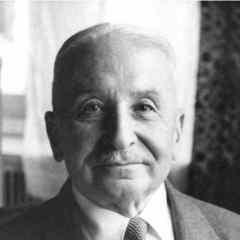
Ludwig von Mises was a prominent economist, philosopher, and social theorist born on September 29, 1881, in Austria, and passed away on October 10, 1973. He is considered one of the most influential economists of the 20th century and a leading advocate for free-market economics.
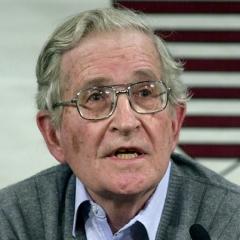
Noam Chomsky, born on December 7, 1928, is a renowned linguist from the United States. His research in generative grammar and transformational grammar has had a profound impact on modern linguistics. Chomsky's academic achievements extend beyond linguistics, as he is also an active political commentator and philosopher, known for his unique perspective and profound insights.
Maurice Natanson was a prominent philosopher, born on November 26, 1924, and passed away on August 16, 1996. His research focused on phenomenology and existentialism, which had a profound impact on 20th-century philosophy.
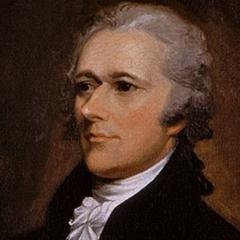
Alexander Hamilton was a Founding Father of the United States, born on January 11, 1757, and died on July 12, 1804. He played a crucial role in the American Revolutionary War and was instrumental in the drafting of the U.S. Constitution. As the first Secretary of the Treasury, Hamilton promoted fiscal stability and economic growth, establishing the First Bank of the United States and proposing solutions for federal debt. His ideas and policies had a profound impact on the early political and economic development of the United States.