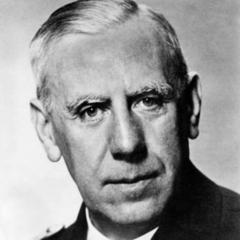
Wilhelm Canaris
Wilhelm Canaris was a historical figure born on January 1, 1887, and died on April 9, 1945. His profession and category are currently unknown.
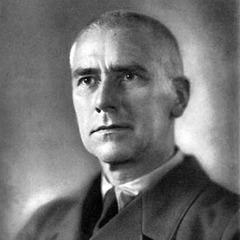
Wilhelm Canaris was a historical figure born on January 1, 1887, and died on April 9, 1945. His profession and category are currently unknown.
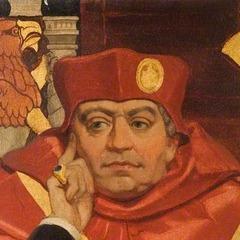
Thomas Wolsey was a prominent English political figure and archbishop during the reign of Henry VIII. He was born into a wealthy family and rose through the ranks of the church, eventually becoming the Archbishop of England. Wolsey played a crucial role in the religious and political reforms of his time, including Henry VIII's break with the Roman Catholic Church and the establishment of the Church of England. He also handled Henry's marriage affairs, including the annulment of his marriage to Catherine of Aragon and his subsequent marriage to Anne Boleyn. Wolsey's political and religious reforms had a profound impact on English history and continue to be studied by historians.
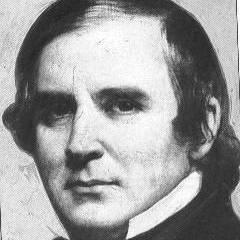
William B. Ogden (1805-1877) was an American lawyer, entrepreneur, and politician who served as the first Mayor of Chicago in 1837. Born in New York State and educated at Columbia College, he moved to Chicago in 1835. After helping establish the city's initial governance framework as its first mayor, he became a pioneer in American railway development, co-founding the Illinois Central Railroad and the Chicago and North Western Railway. His contributions to Chicago's early growth and midwestern transportation infrastructure made him a foundational figure in American urban history.

Limited information is available about Jay Paterno.

Otto Rehhagel, born on August 9, 1938, is a German football coach with a rich coaching career spanning multiple European top clubs and national teams.
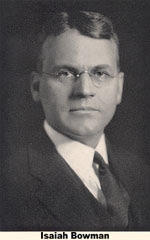
Isaiah Bowman, a historically obscure figure with an unclear profession and category, was born on December 26, 1878, and died on January 6, 1950. His life experience, achievements, and influence are currently limited in available information.
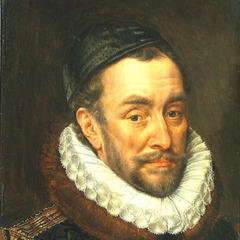
Prince William of Orange, also known as William the Silent, was a leader in the Dutch Revolt and one of the founders of the Dutch Republic. Born on April 24, 1533, in the Netherlands, he died on July 10, 1584. He played a crucial role in the struggle for Dutch independence and freedom, and is celebrated as a national hero in the Netherlands.
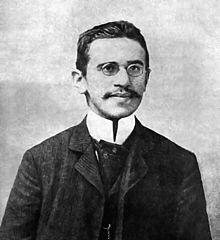
Otto Weininger was an Austrian philosopher born on April 3, 1880, and died on October 4, 1903. His thoughts mainly revolve around gender, aesthetics, and ethics, and have had a profound impact on philosophy and psychology in the following years.
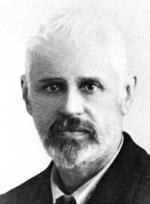
Claude Montefiore (1858-1938) was a prominent religious leader in the Jewish community. He was known for his deep research in Jewish law and theology, and had a significant influence on the Jewish community during the late 19th and early 20th centuries.
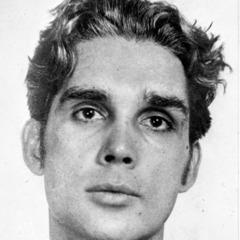
John Spenkelink, an individual whose profession and category remain unknown, passed away on May 25, 1979. His life story and contributions are currently limited in available information.