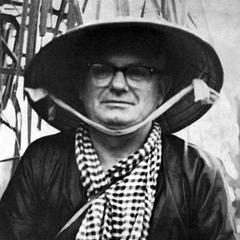
Wilfred Burchett
Wilfred Burchett, born on September 16, 1911, and died on September 27, 1983, was a renowned war correspondent known for his coverage of major historical events during World War II and the Korean War.
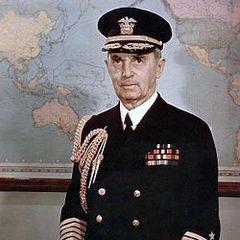
Wilfred Burchett, born on September 16, 1911, and died on September 27, 1983, was a renowned war correspondent known for his coverage of major historical events during World War II and the Korean War.
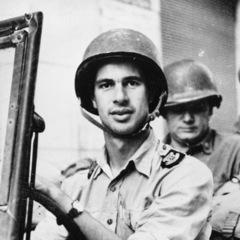
John Hersey was an American writer born on June 17, 1914, and died on March 24, 1993. Known for his profound insight into human nature and his deep reflections on war and peace.
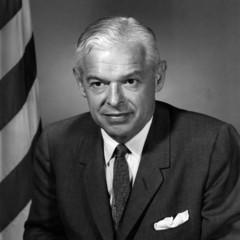
Paul Nitze was an American politician and diplomat renowned for his strategic thinking and policy-making during the Cold War. He held key positions in the U.S. State Department and the National Security Council, profoundly influencing American Cold War policies.
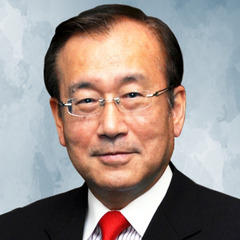
Tadatoshi Akiba is a notable Japanese politician recognized for his contributions to education and technology. Born in November 1942, he has held various political roles and is a strong advocate for educational reforms and technological advancements in Japan.
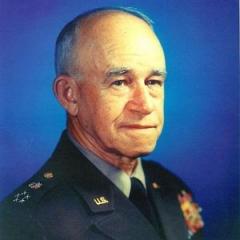
Omar N. Bradley was an American military leader, born on February 12, 1893, and died on April 8, 1981. He served in a prominent position in the United States Army and was renowned for his exceptional military skills and leadership.
Edward Bernds was an American screenwriter known for his work in the film and television industry. His career spanned several decades, and he was involved in the creation of many classic works.
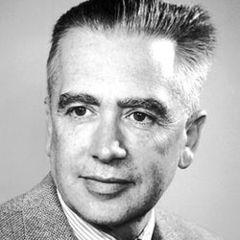
Emilio G. Segre was a renowned physicist known for his contributions to nuclear physics and particle physics. Born on February 1, 1905, and passing away on April 22, 1989, Professor Segre held teaching positions in universities in Italy and the United States and made significant contributions to the Manhattan Project during World War II.
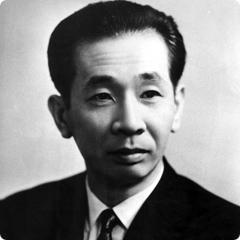
Limited information is available about Koji Nakanishi, born on May 11, 1925. His identity and profession are unknown.
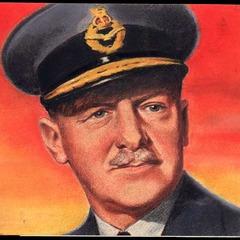
Sir Arthur Harris, 1st Baronet, was a British Air Marshal who served as the Commander-in-Chief of the Royal Air Force during World War II. Known for his strict tactics and strategies, particularly during the bombing raids on Germany, Harris was a controversial figure during and after the war. His actions, while effective in terms of strategic bombing, were also criticized for targeting civilian populations, leading to debates about the ethics of warfare and military operations.
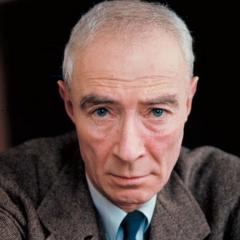
J. Robert Oppenheimer was a theoretical physicist who played a pivotal role in the development of quantum mechanics and the Manhattan Project. He is best known for his leadership of the Los Alamos National Laboratory during the Manhattan Project, which resulted in the creation of the first atomic bombs. Oppenheimer was born on April 22, 1904, and passed away on February 18, 1967.