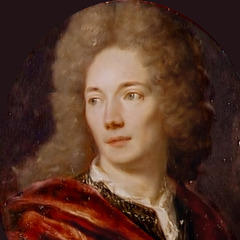
Jean de la Bruyere
Jean de la Bruyere was a French philosopher and moralist, born on August 16, 1645, and died on May 10, 1696. His works have had a profound impact on posterity.
Jean de la Bruyere was a French philosopher and moralist, born on August 16, 1645, and died on May 10, 1696. His works have had a profound impact on posterity.
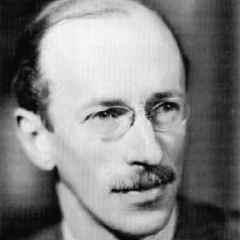
B.H. Liddell Hart was a British military theorist known for his profound understanding of strategy and tactics, whose works have had a profound impact on modern military thought.
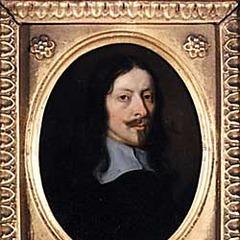
William Cavendish, 1st Duke of Newcastle, was a renowned English poet. Born on December 6, 1592, and died on December 25, 1676, he is known for his unique poetry style and significant influence on later poets.
Publius Flavius Vegetius Renatus is an ancient Roman writer, the details of his life and achievements are not well-documented.
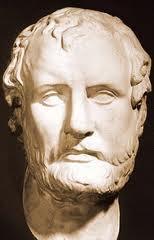
Demades, born around 380 BC and died around 318 BC, was a Greek politician and philosopher. He was active during the golden age of Athens, a period of significant cultural and political achievement in ancient Greece. Limited information is available regarding his life and accomplishments.
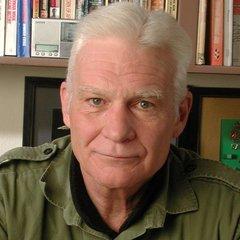
Dale Dye is an American author born on October 8, 1944. His works primarily focus on historical and military themes, known for their in-depth research and attention to detail.
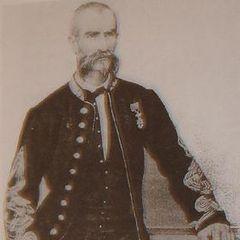
Ardant du Picq, born in October 1819 and died in August 1870, was a French military theorist and historian whose works had a profound impact on subsequent military thought.
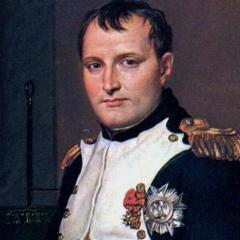
Napoleon Bonaparte, a military commander and statesman from France, was born on August 15, 1769, and died on May 5, 1821. He is a controversial historical figure who led a series of reforms in France and became a significant figure in French history.

Phill Jupitus is a British comedian known for his unique humor style and satirical approach. Born on June 25, 1962, he has been active in the British comedy scene since the 1990s.
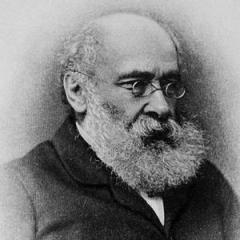
Anthony Trollope was an English novelist known for his detailed portrayals of Victorian British society. His works often centered around political and administrative themes, showcasing his profound insights into social structures and class divisions.