
Jean de la Bruyere
Jean de la Bruyere was a French philosopher and moralist, born on August 16, 1645, and died on May 10, 1696. His works have had a profound impact on posterity.
Jean de la Bruyere was a French philosopher and moralist, born on August 16, 1645, and died on May 10, 1696. His works have had a profound impact on posterity.
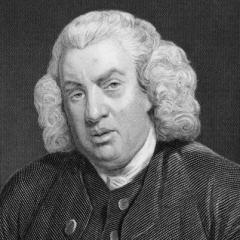
Samuel Johnson was an English writer, poet, and lexicographer, renowned for his comprehensive English dictionary, 'A Dictionary of the English Language', published in 1755. His distinctive writing style and wit have cemented his place as a significant figure in the history of English literature.
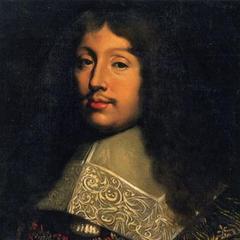
French author known for his wit and moral maxims. His works delve deeply into the flaws of human nature and the hypocrisy of society.
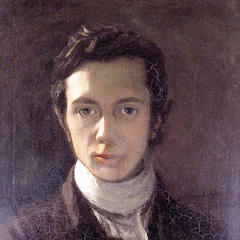
William Hazlitt, born on April 10, 1778, was an influential English essayist and literary critic. His works are renowned for their sharp observations and profound insights, which have had a lasting impact on 19th-century British literature.
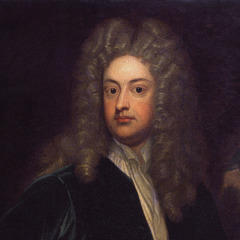
Joseph Addison, born on May 1, 1672, and died on June 17, 1719, was an influential English essayist, dramatist, and poet. He is known for his elegant prose style and his co-authorship of the magazine 'The Spectator' with Richard Steele.
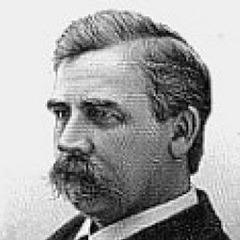
Charles Caleb Colton was an English writer active from 1780 to 1832. Known for his humor and wit, he is particularly recognized for his aphorisms and satirical works.
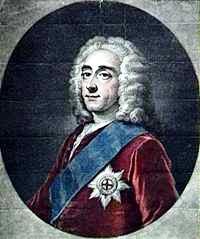
British statesman known for his epistolary works, which had a profound impact on 18th-century British society.
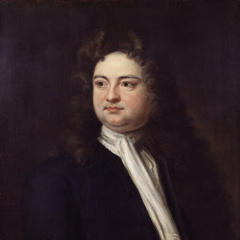
Richard Steele was an influential British writer of the 18th century, known for his contributions to drama, literature, and public life. He passed away on September 1, 1729. Steele is celebrated for his role in founding 'The Spectator', a significant platform for literary and public discourse of his time.
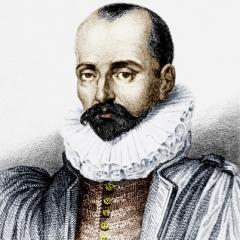
Michel de Montaigne was a French Renaissance philosopher, essayist, and writer. He is considered one of the most significant figures in the history of the essay. Montaigne's work, particularly his book 'Essays', has been influential in the development of modern prose.
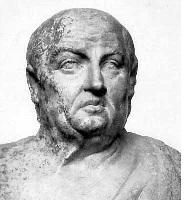
Seneca the Younger (4 BC - 65 AD) was a renowned Roman philosopher, statesman, and playwright. Born into a wealthy Roman family, he served as a government official in the Roman Empire. Seneca's philosophy was deeply influenced by Stoicism, and his works have had a profound impact on later generations.