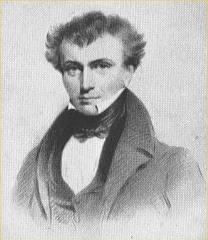
“Our assent to the hypothesis implies that it is held to be true of all particular instances. That these cases belong to past or to future times, that they have or have not already occurred, makes no difference in the applicability of the rule to them. Because the rule prevails, it includes all cases.” PastDifferencesCasesParticularBeing TrueInstanceHypothesisFuture Time Book:Theory of Scientific Method Source: Theory of Scientific Method
“The hypotheses we accept ought to explain phenomena which we have observed. But they ought to do more than this: our hypotheses ought to foretell phenomena which have not yet been observed.” ScienceAcceptingOughtHypothesis Book:Theory of Scientific Method Source: Theory of Scientific Method
“The hypotheses which we accept ought to explain phenomena which we have observed. But they ought to do more than this; our hypotheses ought to foretell phenomena which have not yet been observed; ... because if the rule prevails, it includes all cases; and will determine them all, if we can only calculate its real consequences. Hence it will predict the results of new combinations, as well as explain the appearances which have occurred in old ones. And that it does this with certainty and correctness, is one mode in which the hypothesis is to be verified as right and useful.” IfsWellsDoeRealScienceResultsAcceptingCasesAcceptanceOughtEvidenceConsequenceDetermineAppearanceObservationCertaintyCombinationHypothesisCorrectness Author:William Whewell