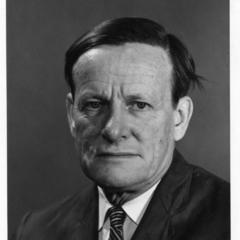
G. Ledyard Stebbins
G. Ledyard Stebbins was an American botanist born on January 6, 1906, and died on January 19, 2000. He is renowned for his contributions to the study of plant diversity and evolutionary theory.
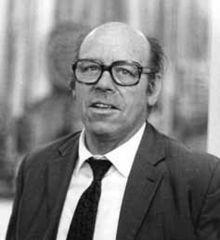
G. Ledyard Stebbins was an American botanist born on January 6, 1906, and died on January 19, 2000. He is renowned for his contributions to the study of plant diversity and evolutionary theory.
Ernst Wilhelm von Brücke (July 6, 1819 – January 7, 1892) was a German physician and physiologist, known for his contributions to physiology, anatomy, and psychology. Born in Berlin, he studied medicine at the University of Berlin and later became a professor of physiology at the University of Vienna. Brücke was a leading figure in physiological positivism, advocating for the use of physical and chemical methods to study life processes, opposing vitalism. His research covered neurophysiology, visual physiology, and cell theory, influencing later developments in psychology and neuroscience. He mentored several notable students, including Sigmund Freud, who worked in his laboratory and was inspired by his scientific approach. Brücke's work laid the foundation for modern physiology, and his textbook 'Lectures on Physiology' was widely used in medical education.
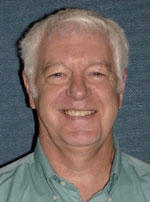
Michael Denton is a renowned author known for his works in the fields of science and philosophy. His research spans across biology, evolutionary theory, and theology, particularly focusing on the complexity of life and its possible theological implications.
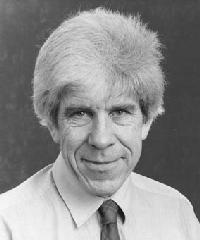
W. D. Hamilton was a British biologist renowned for his contributions to the field of evolutionary biology. He proposed the theory of sociobiology, particularly the concepts of kin selection and altruism, which had a profound impact on biology and psychology.

Joel Garreau is a renowned American journalist and author, born in 1948. His career spans various fields, including technology, environment, and social issues. Garreau is known for his in-depth investigative reporting and clear articulation of complex issues.
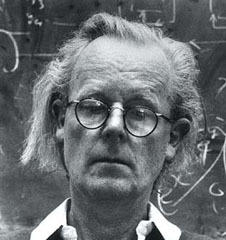
John Maynard Smith, born on January 6, 1920 and died on April 19, 2004, was a distinguished geneticist from the United Kingdom. His contributions to evolutionary biology, particularly in the fields of natural selection and genetic diversity, have had a profound impact on modern biology.
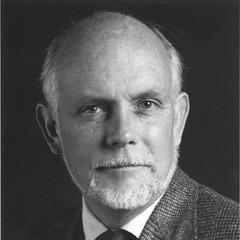
Richard Smalley (June 6, 1943 – October 28, 2005) was an American chemist who won the 1996 Nobel Prize in Chemistry for the discovery of fullerenes (C60). Born in Akron, Ohio, he earned his bachelor's degree from the University of Michigan and his Ph.D. from Princeton University. As a professor at Rice University, Smalley collaborated with Robert Curl and Harold Kroto to discover buckminsterfullerene, a new form of carbon, through laser vaporization of graphite. This breakthrough launched the field of nanoscience. Smalley later focused on nanotechnology research and advocated for science education. He died of leukemia at age 62.
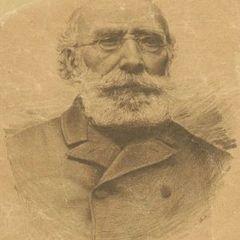
Antoine Bechamp, a renowned French chemist, was born on October 16, 1816, and died on April 15, 1908. He had a profound impact on the field of chemistry, particularly in microbiology and fermentation theory. Bechamp's research had significant influence on later scientists.
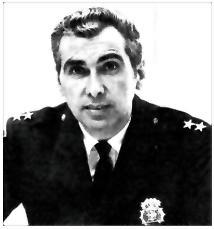
Tony Bouza, born on April 10, 1928, is a renowned police officer. He has extensive experience in law enforcement and has achieved significant accomplishments throughout his career.
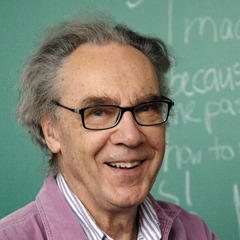
Walter Lewin is a renowned physicist, born on January 29, 1936. He teaches physics at the Massachusetts Institute of Technology (MIT) and is known for his engaging and entertaining teaching style.