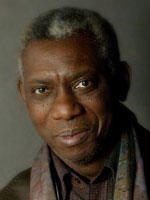
“Students often have such a lofty idea of what a poem is, and I want them to realize that their own lives are where the poetry comes from. The most important things are to respect the language; to know the classical rules, even if only to break them; and to be prepared to edit, to revise, to shape.” IfsKnowsWantImportantIdeasLanguageRealizingBreakStudentsShapesImportant ThingsPreparedBe PreparedEditsLofty Author:Yusef Komunyakaa
“Cursing themselves in ragged dreamsfire has singed the edges of,they know a slow dying the fields have come to terms with.Shimmering fans work against the heat& smell of gunpowder, making moneyfloat from hand to hand. The next momenta rocket pushes a white fistthrough night sky, & they scatter like birds& fall into the shape their liveshave become.” KnowsHandsNightFallNextTermWhiteSkyFansDyingFieldsShapesBirdEdgesSmellMaking MoneyHeatMomentumRocketsNight SkyCursingRaggedGunpowder Author:Yusef Komunyakaa
“I define poetry as celebration and confrontation. When we witness something, are we responsible for what we witness? That's an on-going existential question. Perhaps we are and perhaps there's a kind of daring, a kind of necessary energetic questioning. Because often I say it's not what we know, it's what we can risk discovering.” KnowsKindRiskResponsibleWitnessCelebrationDaringDiscoveringQuestioningExistentialConfrontationEnergetic Author:Yusef Komunyakaa
“My great-grandfather Melvin had been a carpenter - so was my father - and they taught me the value of tools: saws, hammers, chisels, files and rulers. It all dealt with conciseness and precision. It eliminated guesswork. One has to know his tools, so he doesn't work against himself.” KnowsValuesFatherSawsTaughtToolsRulersGrandfatherHammersFilesPrecisionCarpenterChiselsGreat GrandfatherGuesswork Book:Blue notes: essays, interviews, and commentaries Source: Blue notes: essays, interviews, and commentaries