“Faithfulness to the truth of history involves far more than a research, however patient and scrupulous, into special facts. Such facts may be detailed with the most minute exactness, and yet the narrative, taken as a whole, may be unmeaning or untrue. The narrator must seek to imbue himself with the life and spirit of the time. He must study events in their bearings near and remote; in the character, habits, and manners of those who took part in them. He must himself be, as it were, a sharer or a spectator of the action he describes.”
Quote by Francis Parkman
Work
France and England in North America: Pioneers of France in the New World. The Jesuits of North America in the seventeenth century. La Salle and the discovery of the Great West. The old régime in Canada
France and England in North America: Pioneers of France in the New World. The Jesuits of North America in the seventeenth century. La Salle and the discovery of the Great West. The old régime in Canada is a comprehensive study that delves into the complex historical relationship between France and England in North America. The book examines the activities of the Jesuits during the 17th century, their influence on the region, and their contributions to the cultural and religious landscape. It also covers the exploration efforts of La Salle, including his discovery of the Great West. Additionally, the book provides insights into the political and social systems that governed Canada during the period, offering a detailed look at the old régime. more
Author
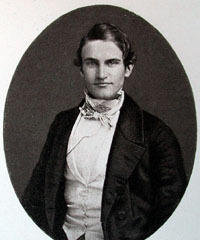
Francis Parkman
Francis Parkman was an American historian renowned for his in-depth research on the colonial period in North America and the French colonies. His works, such as 'The French and Indian War' and 'The Conquest of Peru by Pizarro,' have had a profound impact on subsequent historical research. more
You May Also Like
Source: The History of Early Rome
Source: On History
Source: Vistas of history