“An idea will infect another with its own emotional interest when they have become both associated together into any sort of a mental total.”
Quote by William James
Work
Talks to Teachers on Psychology: And to Students on Some of Life's Ideals
This book is a compilation of talks that delve into psychological principles and explore various life ideals, intended for both teachers and students to gain insights and perspectives on these topics. more
Author
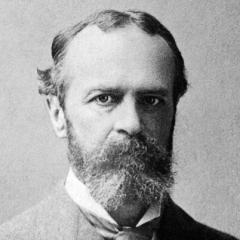
William James
William James, born on January 11, 1842, and died on August 26, 1910, was an influential American philosopher, psychologist, and writer. He is considered one of the founders of functionalism in psychology and has had a profound impact on the fields of psychology, philosophy, and religion. more
You May Also Like
Source: Talks to Teachers on Psychology: And to Students on Some of Life's Ideals
Source: Talks to Teachers on Psychology: And to Students on Some of Life's Ideals
Source: Talks to Teachers on Psychology: And to Students on Some of Life's Ideals
Source: Talks to Teachers on Psychology and to Students on Some of Life's Ideals
Source: Talks to Teachers on Psychology and to Students on Some of Life's Ideals
Source: Talks to Teachers on Psychology: And to Students on Some of Life's Ideals
“Most men have a good memory for facts connected with their own pursuits.”
Source: Psychology: The Briefer Course
“In all primary school work the principle of multiple impressions is well recognized.”