“Man is sometimes extraordinarily, passionately, in love with suffering.”
Quote by Fyodor Dostoevsky
Work
The Greatest Works of Dostoevsky: Crime and Punishment + The Brother's Karamazov + The Idiot + Notes from Underground + The Gambler + Demons (The Possessed / The Devils)
This comprehensive collection offers readers an in-depth exploration of Dostoevsky's profound psychological and philosophical insights. It includes 'Crime and Punishment,' a novel that delves into the moral and existential dilemmas of a young man; 'The Brother's Karamazov,' a complex narrative that examines faith, doubt, and the nature of evil; 'The Idiot,' a story of innocence and the struggle against societal corruption; 'Notes from Underground,' an exploration of the author's own thoughts and feelings; 'The Gambler,' a portrayal of addiction and its consequences; and 'Demons,' a novel that explores the rise of revolutionary fervor and its impact on individuals. more
Author
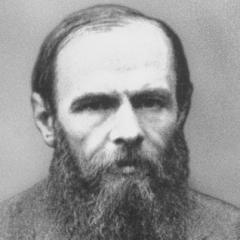
Fyodor Dostoevsky
A renowned Russian novelist and a pioneer of psychological novels. His works deeply reveal the complexity of human nature and the injustice of society, having a profound impact on literature worldwide. more
You May Also Like
Source: The Third Policeman (Harper Perennial Modern Classics)
“Honesty has always been an integral part of my operation, really.”
Source: Pnin
“A thousand half-loves must be forsaken to take one whole heart home.”
Source: Pride and Prejudice: A Novel. : In Three Volumes
Source: Three Junes