“Her future, she thought, was likely to be worse than her past, for after her years of contented renunciation, she had slipped back into desire and longing; she found joyless days of distasteful occupation harder and harder; she found the image of the intense and varied life she yearned for, and despaired of, becoming more and more importunate.”
Quote by George Eliot
Work
The Mill on the Floss: Easyread Large Edition
This novel, known for its vivid portrayal of rural life and complex family dynamics, explores themes of love, loss, and social class through the eyes of the young siblings Tom and Maggie Tulliver. more
Author
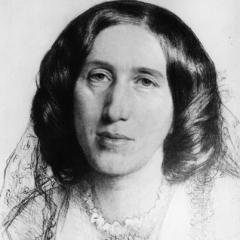
George Eliot
George Eliot, born Mary Ann Evans, was a renowned 19th-century British novelist. Her works are known for their profound psychological insights and critical exploration of social issues. With her unique narrative techniques and rich emotional expression, she has had a profound impact on literature. more
You May Also Like
Source: Delphi Complete Works of George Eliot (Illustrated)
Source: Complete Works Of George Eliot
“In all debates, let truth be thy aim, not victory, or an unjust interest.”
Source: Fruits of solitude ... New edition
Source: In My Own Words: An Introduction to My Teachings and Philosophy
Source: Ellen Hopkins: Crank Trilogy
“Dying should come easy: like a freight train you don't hear when your back is turned.”
Source: The feast of love
Source: The Stream & the Sapphire: Selected Poems on Religious Themes