“The best thing you can do for a song is to hear it on the radio and to imagine what it could mean to you and then kinda forget the words. Just imagine how you felt when you heard it, if it was one of your songs. If it became one of your songs. If it meant whatever it meant for you and as soon as you see the visual, you get a rapid eye movement relationship with the song instead of an imaginative one. I think that can be dangerous because I don't think I'd want to be listening to a song on the radio and thinking about the video. Whatever that one interpretation was”
Quote by Ric Ocasek
Author
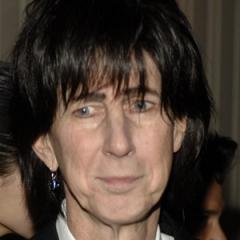
Ric Ocasek
Ric Ocasek (March 23, 1949 – September 15, 2019) was an American musician, singer, songwriter, and record producer. He was best known as the lead vocalist, rhythm guitarist, and primary songwriter for the new wave rock band The Cars. With his distinctive voice, cool demeanor, and minimalist songwriting, Ocasek became an iconic figure in late 1970s and 1980s rock music. He also achieved notable success as a producer, most famously for Weezer's self-titled debut album (the Blue Album). His music blended rock, new wave, and pop, leaving a lasting influence on generations of musicians. more
You May Also Like
Source: Essays
“If you want to be listened to, you should put in time listening.”
Source: Gone to Soldiers: A Novel
“Listen, all creeping things, the bell of transience.”
Source: The dumpling field: haiku of Issa
Source: The Works of the Right Honourable Joseph Addison