Quotessence
Home / Quotes / Quote by Ann Dowd

Quote by Ann Dowd

“The Leftovers was an absolutely extraordinary experience. After the first season of learning to work with Damon Lindelof and Tom Perrotta, and all of the writers, you didn't question it because it all made sense. Because Damon knows those characters so well and has thought it through so well, there was never a time that I asked a question where it wasn't answered fully.”

Quote by Ann Dowd

Author
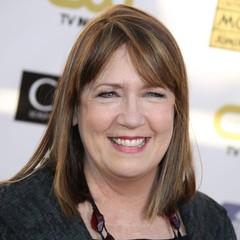
Ann Dowd
Ann Dowd

Ann Dowd, born on January 30, 1956, is an accomplished American film actress known for her versatile performances in various films and television series. She has gained recognition for her roles in movies such as 'The Big Short', 'Mad Men', and 'Breaking Bad'. more

You May Also Like

“Donald Trump understands sense of belonging. And a lot of people think globalization, any time you make any particularity, you're sort of offending some other group. And a lot of people in this country think they belong to America anymore, and he at least appeals to some sense of belonging. I like the idea that we belong to Western traditions, so I'm glad he appeals to that sort of thing.”

“Part of why I think I have so much fun working in the mockumentary genre is that you can cut to pretty much anything at any time. People are now so conditioned to watch documentaries - they know how they operate, and that you can introduce a new character by cutting to them, and now they're in it. Similarly, being able to treat a sidebar idea that has nothing to do with your main story really seriously, the way the rest of it is being treated - all the pomp and circumstances lend themselves, I feel, to making comedy feel really earned and funnier and weirder.”

“The history of lead is a history of neglect. It's a history of decisions on our part not to address the broad implications of what we did to ourselves during the industrial revolution and in the first part of the century when our cities expanded broadly, when we built our housing and we began to depend upon lead as a mainstay of our new industrial culture. We put this stuff in even though we knew it was dangerous, we knew it was going to hurt kids.”

“We found ourselves believing or allowing ourselves to believe what our industries told us, which is lead helps to guard your health was one of the ads that appeared in the 1920s. Lead takes place in modern games, lead is part of our everyday life, all these ads and propaganda that came out of the very time when physicians and public health workers and reports were appearing of children around the country who were literally at that point dying and going into convulsions because lead was poisoning them.”

“I was educated by nuns. None of them, of course, did anything resembling the actions of Lydia from The Handmaid's Tale, but they taught me a work ethic, that I had to toe the line, that I had to step up and do my work, and that we would stay until it was done, and that came from a devotion to making you the best person you can be. That's the take I have on Lydia. She knows her actions are firm and sometimes very harsh, but she also looks after them.”

“We've had a century in which we've allowed some industries to basically pollute the air, pollute the water, pollute the ground, pollute the rivers, and we've been trying sporadically to clean air acts and ways of regulating them. But we now are sitting in a world that's filled with all sorts of materials that we don't really know the impact of. It's not like they're necessarily all poisonous but it's odd to put all these materials into our environment and watch.”

“I think aging is underrated. As you grow older, you have perspective and you realize just how fortunate you are to be working. To be working with the people I've had the chances to work with, I honestly feel like the most fortunate person in the world. I think it's hugely important when you work to bring with you that spirit, which includes and immense sense of gratitude. How that translates into behavior is just to bring your energy, your good spirit and your appreciation, and do your homework and really listen to the person in front of you.”