“The study of error is not only in the highest degree prophylactic, but it serves as a stimulating introduction to the study of truth. As our minds become more deeply aware of their own subjectivism, we find a zest in objective method that is not otherwise there. We see vividly, as normally we should not, the enormous mischief and casual cruelty of our prejudices. And the destruction of a prejudice, though painful at first, because of its connection with our self-respect, gives an immense relief and a fine pride when it is successfully done. There is a radical enlargement of the range of attention. As the current categories dissolve, a hard, simple version of the world breaks up. The scene turns vivid and full. There follows an emotional incentive to hearty appreciation of scientific method, which otherwise it is not easy to arouse, and is impossible to sustain. Prejudices are so much easier and more interesting. For if you teach them at first as victories over the superstitions of the mind, and the exhilaration of the chase and of the conquest may carry the pupil over that hard transition from his self-bound experience to the phase where his curiosity has matured, and his reason has acquired passion.”
Quote by Walter Lippmann
Work
This book delves into the formation, influence, and consequences of public opinion, exploring its role in shaping societal norms and political landscapes. more
Author
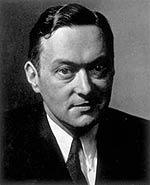
Walter Lippmann was a prominent American writer and political commentator, born on September 23, 1889, and died on December 14, 1974. He was known for his profound insights into political and social issues and was one of the most influential political analysts in the United States during the 20th century. more
You May Also Like
“I just assumed he was okay. Safe. I let myself forget there's no such thing.”
“She was a kinswoman of the queen, a member of the most powerful family in England. A Boleyn.”
“Wenn die Gewalt zur Norm wird, passen sich die Menschen an die Norm an.”
“Marijuana is fuel for a creative mind. Fuck this prohibition.”
“When power runs out of arguments, it finishes justice quietly, from behind.”
“We are not here to build our empire only but also to help people discover the kingdom of God”