“A credit default swap was confusing mainly because it wasn’t really a swap at all. It was an insurance policy, typically on a corporate bond, with semiannual premium payments and a fixed term. For instance, you might pay $200,000 a year to buy a ten-year credit default swap on $100 million in General Electric bonds. The most you could lose was $2 million: $200,000 a year for ten years. The most you could make was $100 million, if General Electric defaulted on its debt any time in the next ten years and bondholders recovered nothing. It was a zero-sum bet: If you made $100 million, the guy who had sold you the credit default swap lost $100 million. It was also an asymmetric bet, like laying down money on a number in roulette. The most you could lose were the chips you put on the table; but if your number came up you made thirty, forty, even fifty times your money.”
Quote by Michael Lewis
Work
The Big Short: Inside the Doomsday Machine
The book delves into the intricate details of the financial crisis, providing an in-depth look at how a group of investors foresaw and profited from the impending disaster. It examines the role of Wall Street, the government, and the housing market in the lead-up to the crisis, offering a critical analysis of the events that led to the global economic downturn. more
Author
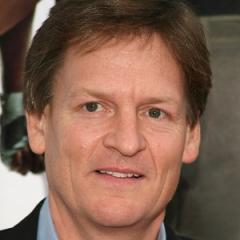
Michael Lewis
Michael Lewis, born on October 15, 1960, is a renowned American author. His works are known for their in-depth investigations and revelations of the truths in the financial, business, and sports worlds. more
You May Also Like
Source: Bond ing: The Power of Investing in Bonds
“Leadership is about what’s right for the organization, not what feels right for the leader.”
Source: Something Needs to Change Around Here
“If you wanna learn about investment yield, go meditate in a forest.”
Source: Remember Me Tomorrow