“It may perhaps be said that it signifies nothing to a man what is done to him after he is dead; but it signifies much to the living; it either tortures their feelings or hardens their hearts.”
Quote by Thomas Paine
Work
THOMAS PAINE Ultimate Collection: Political Works, Philosophical Writings, Speeches, Letters & Biography (Including Common Sense, The Rights of Man & The Age of Reason): The American Crisis, The Constitution of 1795, Declaration of Rights, Agrarian Justice, The Republican Proclamation, Anti-Monarchal Essay, Letters to Thomas Jefferson and George Washington…
This collection brings together the essential writings of Thomas Paine, a pivotal figure of the Enlightenment and the American and French Revolutions. It includes his most famous political pamphlets—Common Sense, which argued for American independence; The Rights of Man, a defense of the French Revolution and republican government; and The Age of Reason, a critique of organized religion and a call for deism. Also featured are The American Crisis, a series of inspirational pamphlets written during the Revolutionary War; The Constitution of 1795, his thoughts on French governance; the Declaration of Rights; Agrarian Justice, a proposal for social welfare; The Republican Proclamation; an Anti-Monarchal Essay; and personal letters to Thomas Jefferson and George Washington. The volume is supplemented by a biography of Paine, providing context for his life and legacy as a radical thinker and activist. more
Author
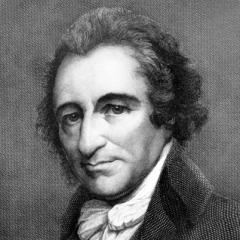
Thomas Paine
Thomas Paine, born on February 9, 1737, and died on June 8, 1809, was a prominent American writer, political figure, and philosopher during the American Revolutionary War. He is renowned for his radical democratic ideas and his contributions to the American independence movement. more
You May Also Like
Source: The Thomas Paine Collection: Common Sense, Rights of Man, Age of Reason, An Essay on Dream, Biblical Blasphemy, Examination Of The Prophecies
Source: Rights of Man
Source: The Rights of Man: With a Brief Historical Preface
Source: The Rights of Man
Source: Rights of man: being an answer to Mr. Burke's attack on the French Revolution, etc
Source: Common Sense, The Rights of Man and Other Essential Writings of ThomasPaine
“The advertisement is the most truthful part of a newspaper.”
Source: THOMAS PAINE Ultimate Collection: Political Works, Philosophical Writings, Speeches, Letters & Biography (Including Common Sense, The Rights of Man & The Age of Reason): The American Crisis, The Constitution of 1795, Declaration of Rights, Agrarian Justice, The Republican Proclamation, Anti-Monarchal Essay, Letters to Thomas Jefferson and George Washington…
Source: Rights of Man
Source: journal