“Science as we now understand the word is of later birth. If its germinal origin may be traced to the early period when Observation, Induction, and Deduction were first employed, its birth must be referred to that comparatively recent period when the mind, rejecting the primitive tendency to seek in supernatural agencies for an explanation of all external phenomena, endeavoured, by a systematic investigation of the phenomena themselves to discover their invariable order and connection.”
Quote by George Henry Lewes
Work
Aristotle: a chapter from the history of science including analyses of Aristotle's scientific writings
The book delves into the scientific works of Aristotle, providing an in-depth analysis of his ideas and their impact on the development of science. more
Author
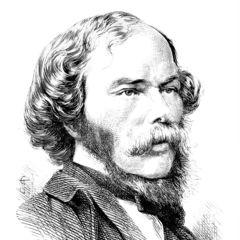
George Henry Lewes
George Henry Lewes was a British philosopher, literary critic, and writer. Born on April 18, 1817, and died on November 28, 1878, Lewes is known for his contributions to moral philosophy, aesthetics, and literary criticism. more
You May Also Like
Source: Aristotle: A Chapter from the History of Science, Including Analyses of Aristotle's Scientific Writings
Source: Aristotle: a chapter from the history of science including analyses of Aristotle's scientific writings
Source: The Spanish Drama. Lope de Vega and Calderon
Source: Aristotle: a chapter from the history of science including analyses of Aristotle's scientific writings
Source: Aristotle: a chapter from the history of science including analyses of Aristotle's scientific writings
Source: Aristotle: a chapter from the history of science including analyses of Aristotle's scientific writings
Source: Aristotle: a chapter from the history of science including analyses of Aristotle's scientific writings
“A man never knows what a fool he is until he hears himself imitated by one.”
Source: Hebert Beerbohm Tree: some memories of him and of his art collected by Max Beerbohm
“Sirs, I have tested your machine. It adds a new terror to life and makes death a long-felt want.”