“Good-breeding shows itself most where to an ordinary eye it appears the least.”
Quote by Joseph Addison
Work
The Works of the Right Honourable Joseph Addison
This volume gathers the literary output of Joseph Addison, one of the most prominent writers of the Augustan Age in English literature. The collection includes the witty and polished essays that made Addison famous through his periodical works, which helped shape the essay as a literary form in English. The compilation features his poetry, ranging from meditative verses to celebratory odes, as well as his dramatic productions, most notably the tragedy that secured his reputation in theatrical circles. Addison's prose style, characterized by clarity, elegance, and gentle satire, exemplifies the literary standards of his era and influenced generations of English writers. The collected works preserve for posterity the writings of a man who served his country in high political office while maintaining his position as a leading light of English letters during the reign of Queen Anne. more
Author
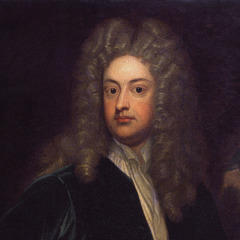
Joseph Addison
Joseph Addison, born on May 1, 1672, and died on June 17, 1719, was an influential English essayist, dramatist, and poet. He is known for his elegant prose style and his co-authorship of the magazine 'The Spectator' with Richard Steele. more
You May Also Like
“One may know a man that never conversed in the world, by his excess of good-breeding.”
Source: The spectator
“Men naturally warm and heady are transported with the greatest flush of good-nature.”
“In rising sighs and falling tears.”
Source: The spectator
“The ungrown glories of his beamy hair.”
Source: The works of Joseph Addison: including the whole contents of Bp. Hurd's edition, with letters and other pieces not found in any previous collection; and Macaulay's essay on his life and works
“Plutarch says very finely that a man should not allow himself to hate even his enemies.”
Source: The Spectator, with Illustrative Notes: To which are Prefixed, the Lives of Authors : Comprehending, Addison, Steele, Parnell, Hughes, Buegel, Eusden, Tickell, and Pope : with Critical Remarks about Their Writings
“The head has the most beautiful appearance, as well as the highest station, in a human figure.”
Source: The Spectator: with sketches of the lives of the authors, an index, and explanatory notes
Source: The evidences of the Christian religion: with additional discourses on the following subjects, viz: Of God, and his attributes. The power and wisdom of God in the creation. The providence of God. The worship of God. Advantages of revelation above natural reason. Excellency of the Christian institution. Dignity of the Scripture language. Against atheism and infidelity. Against the modern free-thinkers. Immortality of the soul, and a future state. Death and judgment
Source: The Evidences of the Christian Religion: With Additional Discourses on the Following Subjects, Viz. Of God, and His Attributes, The Power and Wisdom of God in the Creation, The Providence of God, The Worship of God, Advantages of Revelation Above Natural Reason, Excellency of the Christian Institution, Dignity of the Scripture Language, Against Atheism and Infidelity, Against the Modern Free-thinkers, Immortality of the Soul, and a Future State, Death and Judgment
Source: The spectator
Source: The Works of Joseph Addison