Quotessence
Home / Quotes / Quote by John Stott

Quote by John Stott

Work

Our Social and Sexual Revolution: Major Issues for a New Century

Our Social and Sexual Revolution: Major Issues for a New Century delves into the transformative social and sexual developments of recent decades, analyzing their impact on cultural, political, and personal lives. The book examines the complexities of these changes, considering their origins, progression, and future directions. more

Author
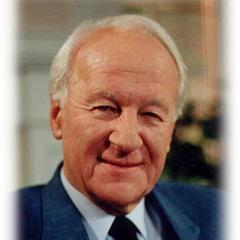
John Stott
John Stott

John Stott was a British author born on April 27, 1921, and passed away on July 27, 2011. He was one of the most influential Christian writers of the 20th century, known for his clear and concise writing style and profound biblical exegesis. more

You May Also Like

“Nevertheless, the Tenth Commandment-'Thou shalt not covet'-recognizes that making money and owning things could become selfish activities. But it is not the creation of wealth that is wrong, but love of money for its own sake. The spiritual dimension comes in deciding what one does with the wealth. How could we respond to the many calls for help, or invest for the future, or support the wonderful artists or craftsmen whose work also glorifies God, unless we had first worked hard and used our talents to create the necessary wealth?”

“Who then would not like to see these benefits flow upon the world from the law, as from an inexhaustible source? But is it possible? Whence does the State draw those resources that it is urged to dispense by way of benefits to individuals? Is it not from the individuals themselves? How, then, can these resources be increased by passing through the hands of a parasitic and voracious intermediary?”

“[The taxing power of the state] divides the community into two great classes: one consisting of those who, in reality, pay the taxes and, of course, bear exclusively the burden of supporting the government; and the other, of those who are the recipients of their proceeds through disbursements,and who are, in fact, supported by the government; or, in fewer words, to divide it into tax-payers and tax-consumers. But the effect of this is to place them in antagonistic relations in reference to the fiscal action of the government and the entire course of policy therewith connected.”