“We must protect the right of our opponents to speak because we must hear what they have to say.”
Quote by Walter Lippmann
Author
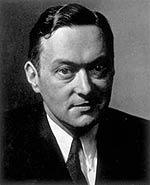
Walter Lippmann
Walter Lippmann was a prominent American writer and political commentator, born on September 23, 1889, and died on December 14, 1974. He was known for his profound insights into political and social issues and was one of the most influential political analysts in the United States during the 20th century. more
You May Also Like
“Any one of the strange laws we suffer is a compromise between a fad and a vested interest.”
“Corruption is no stranger to Washington; it is a famous resident.”
Source: All Honorable Men
Source: Papers: Harold C. Syrett, Editor; Jacob E. Cooke, Associate Editor
Source: The Federalist Papers & Anti-Federalist Papers: Complete Edition of the Pivotal Constitution Debate: Including Articles of Confederation (1777), Declaration of Independence, U.S. Constitution, Bill of Rights & Other Amendments – All With Founding Fathers’ Arguments & Decisions about the Constitution
Source: Memoir, Correspondence, and Miscellanies: From the Papers of Thomas Jefferson