“What are you thinking of so earnestly?" said he, as they walked back to the ballroom; "not of your partner, I hope, for, by that shake of the head, your meditations are not satisfactory." Catherine coloured, and said, "I was not thinking of anything." That is artful and deep, to be sure; but I had rather be told at once that you will not tell me." Well then, I will not." Thank you; for now we shall soon be acquainted, as I am authorized to tease you on this subject whenever we meet, and nothing in the world advances intimacy so much.”
Quote by Jane Austen
Work
Jane Austen: The Works in Eight Volumes
Jane Austen: The Works in Eight Volumes is a definitive compilation of the English author's eight most renowned novels. The collection offers readers the opportunity to explore the full scope of Austen's literary achievements, showcasing her wit, social commentary, and intricate character development. Each novel is presented in its original form, providing a timeless glimpse into the world of Regency England. more
Author
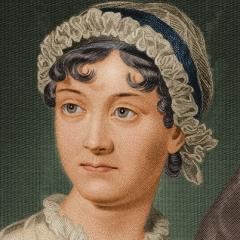
Jane Austen
Jane Austen, born on December 16, 1775, and died on July 18, 1817, was a renowned English novelist of the 19th century. Known for her exquisite psychological portrayals and satirical humor, Austen's works mainly revolve around rural life in England, depicting the customs and interpersonal relationships of the time. Her representative works include 'Pride and Prejudice' and 'Sense and Sensibility'. more
You May Also Like
Source: Pride and Prejudice (Diversion Classics)
Source: The 7 Habits of Highly Effective Teens
“I have stolen ideas from every book I have ever read.”
Source: The Amber Spyglass
“It's fear that makes us lose our conscience. It's also what transforms us into cowards.”
Source: The Amber Spyglass
“It feels so exhausting to be so bad at something I loved so much.”
Source: Killing Yourself to Live: 85% of a True Story