“that's it - hundreds of texts and conversations, thousands upon thousands of words spoken and sent, all boiled down into a single line. is that what relationships become?”
Quote by David Levithan
Work
Will Grayson, Will Grayson
Will Grayson, Will Grayson is a novel that delves into the complexities of adolescence, featuring two characters named Will Grayson who share the same name but lead vastly different lives. The narrative unfolds through alternating perspectives, showcasing the diverse ways in which individuals navigate their personal journeys. The story explores themes of friendship, identity, and the search for belonging, offering a poignant and relatable portrayal of young adulthood. more
Author
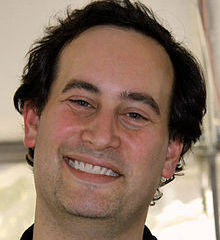
David Levithan
David Levithan, born on September 7, 1972, is a renowned author from the United States. His works span across various genres including young adult literature, adult fiction, and non-fiction, known for his unique narrative style and profound insights into social issues. more
You May Also Like
Source: Sookie Stackhouse 8-copy Boxed Set
Source: Enna Burning
“If you are going to have less things, they have to be great things.”
“Nevertheless, life and death are mysterious states, and we know little of the resources of either.”
Source: Best Ghost Stories of J. S. LeFanu