“We are what we learn. It often takes a long and painful time.”
Quote by Doris Lessing
Work
The Summer Before the Dark
Browse quotes and source details for this work. more
Author
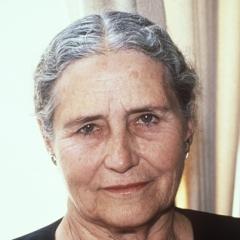
Doris Lessing
Doris Lessing was a British novelist known for her profound psychological insights and critical exploration of social and political issues. Her works covered a wide range of themes from personal experiences to global concerns, including colonialism, gender roles, and women's liberation. Lessing's writing style is unique and vivid, and she has had a significant impact on postcolonial and feminist literature. more
You May Also Like
Source: The Sword in the Stone
“I can’t rock you on my lap, if you’re not here.”
Source: Daddy's Girl
Source: The Meaning of It All: Thoughts of a Citizen-Scientist
“He landed on cheap shot, but I knocked him out of the tournament.”
Source: The Art of Learning: A Journey in the Pursuit of Excellence
“A love affair with knowledge will never end in heartbreak.”
“Failed efforts are there for you to examine and learn from.”
Source: The Clutter Breakthrough: Your Five-Step Solution to Freedom from Clutter Forever
Source: A Bride Most Begrudging
Source: Even Silence Has An End: My Six Years of Captivity in the Colombian Jungle