“There is no doubt that healthy-mindedness is inadequate as a philosophical doctrine, because the evil facts which it refuses positively to account for are a genuine portion of reality; and they may after all be the best key to life's significance, and possibly the only openers of our eyes to the deepest levels of truth.”
Quote by William James
Work
The William James Reader
This reader brings together a selection of William James' most significant essays and lectures, offering a comprehensive view of his philosophical and psychological theories. James, a key figure in the American philosophical movement of pragmatism, explores topics such as the nature of reality, the self, and the role of consciousness. The volume includes classics like 'The Principles of Psychology' and 'Varieties of Religious Experience', providing readers with a deep understanding of James' intellectual contributions. more
Author
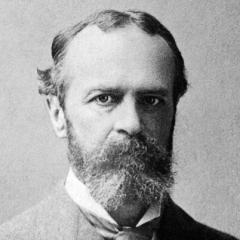
William James
William James, born on January 11, 1842, and died on August 26, 1910, was an influential American philosopher, psychologist, and writer. He is considered one of the founders of functionalism in psychology and has had a profound impact on the fields of psychology, philosophy, and religion. more
You May Also Like
Source: Anger, Madness, and the Daimonic: The Psychological Genesis of Violence, Evil, and Creativity
Source: Escape from Evil
Source: The Vision of Nietzsche
Source: A Very Easy Death
“The earthly meaning of eternal life was death, and she refused to die.”
Source: A Very Easy Death