“But in the West today, we see a free world that has achieved a level of prosperity and well-being unprecedented in all human history. In the Communist world, we see failure, technological backwardness, declining standards of health, even want of the most basic kind - too little food. Even today, the Soviet Union still cannot feed itself. After these four decades, then, there stands before the entire world one great and inescapable conclusion: Freedom leads to prosperity. Freedom replaces the ancient hatreds among the nations with comity and peace. Freedom is the victor.”
Quote by Ronald Reagan
Author
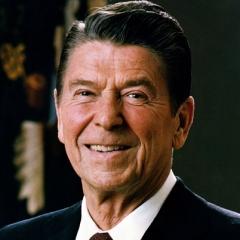
Ronald Reagan
The 40th President of the United States, born on February 6, 1911, and passed away on June 5, 2004. Reagan's presidency was marked by economic prosperity and military strength, and he was known for his conservative political philosophy. more
You May Also Like
Source: Ronald Reagan
Source: Selected Writings of James Madison
Source: Selected Writings of James Madison
Source: Life of Thomas Jefferson: with selections from the most valuable portions of his voluminious and unrivalled private correspondence : with portrait
Source: The Federalist Papers: The Making of the US Constitution
Source: The Federalist Papers and the Constitution of the United States: The Principles of the American Government
Source: The Political Writings of John Dickinson, Esquire: Late President of the State of Delaware, and of the Commonwealth of Pennsylvania