“European Christianity has allowed itself to be intimately united with the powers of this world. Now that these powers are falling, it is as if it were buried under their ruins.”
Book:Democracy in America
“European Christianity has allowed itself to be intimately united with the powers of this world. Now that these powers are falling, it is as if it were buried under their ruins.”
Published in the 19th century, this seminal work offers a detailed examination of the American political system, its history, and its societal implications. The author delves into the functioning of democracy, the role of the government, and the cultural fabric of the nation. more
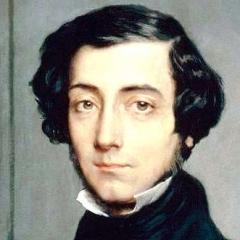
Alexis de Tocqueville was a French historian and political theorist renowned for his seminal work 'Democracy in America'. He embarked on a journey to the United States in the 1830s to examine its democratic institutions, and his observations were compiled into a two-volume book that remains a cornerstone in the study of American democracy and political science. more
“Separation prevents the government from determining church policy, whether directly or indirectly.”