Quotessence
Home / Quotes / Quote by John Locke

Quote by John Locke

“All men by nature are equal in that equal right that every man hath to his natural freedom, without being subjected to the will or authority of any other man; being all equal and independent, no one ought to harm another in his life, health, liberty or possessions.”

Quote by John Locke

Author
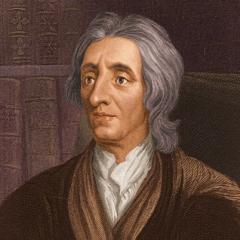
John Locke
John Locke

John Locke (August 29, 1632 - October 28, 1704) was an English philosopher, political theorist, and physician, considered one of the most influential figures of the Enlightenment. His ideas have had a profound impact on political philosophy, ethics, and epistemology. more

You May Also Like

“If Aristotle, Livy, and Harrington knew what a republic was, the British constitution is much more like a republic than an empire. They define a republic to be a government of laws, and not of men. If this definition is just, the British constitution is nothing more or less than a republic, in which the king is first magistrate. This office being hereditary, and being possessed of such ample and splendid prerogatives, is no objection to the government's being a republic, as long as it is bound by fixed laws, which the people have a voice in making, and a right to defend.”

“Whilst America hath been the land of promise to Europeans, and their descendants, it hath been the vale of death to millions of the wretched sons of Africa... Whilst we were offering up vows at the shrine of Liberty... whilst we swore irreconcilable hostility to her enemies... whilst we adjured the God of Hosts to witness our resolution to live free or die... we were imposing on our fellow men, who differ in complexion from us, a slavery, ten thousand times more cruel than the utmost extremity of those grievances and oppressions, of which we complained.”

“No power but Congress can declare war; but what is the value of this constitutional provision, if the President of his own authority may make such military movements as must bring on war? ... [T]hese remarks originate purely in a desire to maintain the powers of government as they are established by the Constitution between the different departments, and hope that, whether we have conquests or no conquests, war or no war, peace or no peace, we shall yet preserve, in its integrity and strength, the Constitution of the United States.”