“If Aristotle, Livy, and Harrington knew what a republic was, the British constitution is much more like a republic than an empire. They define a republic to be a government of laws, and not of men. If this definition is just, the British constitution is nothing more or less than a republic, in which the king is first magistrate. This office being hereditary, and being possessed of such ample and splendid prerogatives, is no objection to the government's being a republic, as long as it is bound by fixed laws, which the people have a voice in making, and a right to defend.”
Quote by John Adams
Work
The Works of John Adams Vol. 4: Novanglus, Thoughts on Government, Defence of the Constitution I
The fourth volume of The Works of John Adams presents a collection of essays written by the Founding Father John Adams. These essays, including Novanglus, Thoughts on Government, and Defence of the Constitution I, delve into the political philosophy and historical context of the American Revolution, offering insights into Adams' views on governance and the formation of the United States Constitution. more
Author
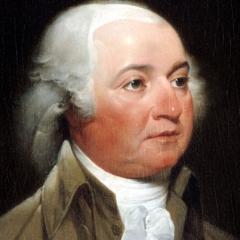
John Adams
John Adams, the second President of the United States, was a statesman, diplomat, and writer. Born on October 30, 1735, and died on July 4, 1826, Adams played a significant role in the American Revolutionary War. He was one of the drafters of the Declaration of Independence and served as the President from 1789 to 1797. more
You May Also Like
Source: The Works of Francis Bacon, Lord Chancellor of England: With a Life of the Author
Source: Blood Meridian: Picador Classic
“What, then, remains but that we still should cry, For being born, and, being born, to die?”
“Whatever may happen, every kind of fortune is to be overcome by bearing it.”
Source: CHILDE HAROLD'S PILGRIMAGE
“Perhaps the day may come when we shall remember these sufferings with joy.”
Source: A Dissertation on Slavery: With a Proposal for the Gradual Abolition of it in the State of Virginia