“It is impossible for the man of pious reflection not to perceive in it [the Constitution] a finger of that Almighty hand which has been so frequently and signally extended to our relief in the critical stages of the revolution.”
Quote by James Madison
Work
The Federalist, on the New Constitution, Written in the Year 1788
Composed by Alexander Hamilton, James Madison, and John Jay, this collection of essays advocates for the ratification of the U.S. Constitution, offering insights into the structure and function of the federal government. more
Author
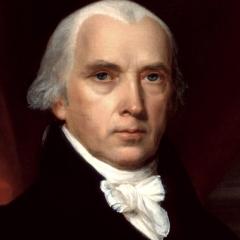
James Madison
James Madison, the 4th President of the United States, was born on March 16, 1751, and died on June 28, 1836. He was a key figure in drafting the U.S. Constitution and had a profound impact on the political system of the United States. more
You May Also Like
Source: An Examination Into the Leading Principles of the Federal Constitution Proposed by the Late Convention Held at Philadelphia: With Answers to the Principal Objections that Have Been Raised Against the System
Source: Selected writings and speeches of Alexander Hamilton
Source: The Federalist, on the New Constitution, Written in 1788
“My all-time favorite program in my entire life was 'Buffy the Vampire Slayer.'”
Source: The Federalist, on the New Constitution: Written in 1788
Source: The Federalist Papers: A Collection of Essays Written in Favour of the New Constitution
Source: The Federalist on the New Constitution
Source: The Federalist, on the New Constitution, Written in the Year 1788
Source: The Federalist, on the New Constitution, Written in the Year 1788