“Many a friendship - long, loyal, and self-sacrificing - rested at first upon no thicker a foundation than a kind word.”
Quote by Frederick William Faber
Work
Spiritual conferences
This work presents a series of discourses or addresses focused on deepening one's spiritual practice and understanding. Typically rooted in Christian or monastic traditions, such conferences explore themes like prayer, virtue, self-discipline, and the pursuit of holiness. The content is structured as instructional or inspirational dialogues, aimed at helping individuals progress in their faith and moral development. Without specific author or context, the book is broadly recognized as a resource for those seeking structured spiritual direction and reflection on the interior life. more
Author
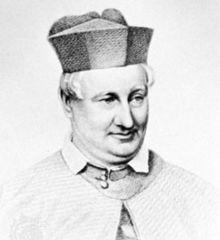
Frederick William Faber
Frederick William Faber, a British writer, was born on June 28, 1814, and died on September 26, 1863. Known for his poetry and religious works, Faber's writings were highly appreciated by Victorian readers. more
You May Also Like
“Friendship inspires and enriches the lives of those who come together.”
Source: Blossoms of Friendship
Source: T. S. Eliot: The Man and His Work
Source: Common courtesy: in which Miss Manners solves the problem that baffled Mr. Jefferson
Source: Nathaniel Brandens Self-Esteem Every Day: Reflections on Self-Esteem and Spirituality