“The combined wisdom and genius of all mankind cannot possibly conceive of an argument against liberty of thought.”
Quote by Robert Green Ingersoll
Work
The Works of Robert G. Ingersoll
This book is a compilation of various writings by Robert G. Ingersoll, covering his extensive career as a public speaker and legal professional. It includes his famous speeches on topics such as religion, ethics, and the rights of individuals. The collection offers insight into Ingersoll's advocacy for civil liberties and his role in shaping American thought during the 19th century. more
Author
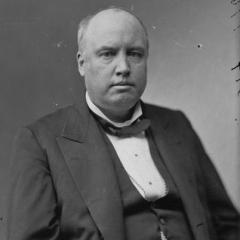
Robert Green Ingersoll
Robert Green Ingersoll was a prominent lawyer, orator, and freethinker. Born on August 11, 1833, and died on July 21, 1899, he was one of the most celebrated orators in 19th-century America. Known for his criticism of religion and government, Ingersoll was a leading advocate for individual freedom. more
You May Also Like
Source: The Works of Robert G. Ingersoll
Source: Miscellany
Source: He Is There and He Is Not Silent
Source: The Cosmic Serpent
Source: Illuminations
“Fairy tales and myths are forms of cultural storage for the natural history of life.”