“To some, the image of a pale body glimmering on a dark night whispers of defeat. What good is a God who does not control his Son's suffering? But another sound can be heard: the shout of a God crying out to human beings, "I LOVE YOU." Love was compressed for all history in that lonely figure on the cross, who said that he could call down angels at any moment on a rescue mission, but chose not to - because of us. At Calvary, God accepted his own unbreakable terms of justice. Any discussion of how pain and suffering fit into God's scheme ultimately leads back to the cross.”
Quote by Philip Yancey
Author
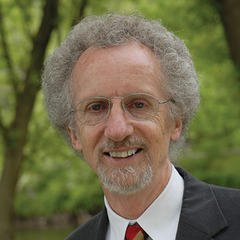
Philip Yancey
Philip Yancey (born 1949) is one of the most influential contemporary Christian authors in the United States. He is widely known for his profound explorations of faith, suffering, and grace, blending personal experience, theological reflection, and literary narrative. His bestselling books, including Where Is God When It Hurts?, What's So Amazing About Grace?, and The Jesus I Never Knew, have sold over 15 million copies worldwide and been translated into dozens of languages. Yancey served as an editor for Christianity Today and has written for numerous publications. His honest, thoughtful, and accessible writing style has deeply impacted millions of readers, inviting both believers and skeptics to engage with the complexities of faith. more
You May Also Like
Source: The Essential Gilbert K. Chesterton
Source: In the Words of E.B. White: Quotations from America's Most Companionable of Writers
Source: The End of the Affair
Source: The End of the Affair
Source: The End of the Affair
Source: The End of the Affair