“When men are about to commit, or sanction the commission of some injustice, it is not uncommon for them to express pity for the object either of that or some parallel proceeding, and to feel themselves, at the time, quite virtuous and moral, and immensely superior to those who express no pity at all. This is a kind of upholding of faith above works, and is very comfortable.”
Quote by Charles Dickens
Work
The Life And Adventures Of Nicholas Nickleby
Charles Dickens' classic novel chronicles the life of Nicholas Nickleby, a young man who embarks on a series of adventures while facing various challenges and hardships. The story delves into the social issues of the time, including education, poverty, and the plight of the working class, all while highlighting the resilience and determination of its protagonist. more
Author
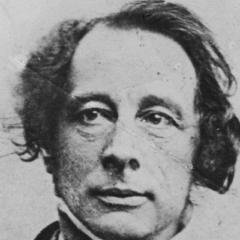
Charles Dickens
Charles Dickens, a British writer born on February 7, 1812, and died on June 9, 1870, is one of the greatest novelists of the 19th century. Known for his profound social criticism and vivid narrative style, Dickens' works extensively cover social reality, revealing various issues in the British society of the time. more
You May Also Like
“Great is his faith who dares believe his own eyes.”
Source: The Rod, the Root and the Flower
Source: The Odd Thomas Series 7-Book Bundle: Odd Thomas, Forever Odd, Brother Odd, Odd Hours, Odd Apocalypse, Odd Interlude, Deeply Odd
“However logical our induction, the end of the thread is fastened upon the assurance of faith.”
“We do not compromise our own faith by admitting the honesty of another's doubt.”