Quotessence
Home / Quotes / Quote by Ned Rorem

Quote by Ned Rorem

Work

The Later Diaries of Ned Rorem: 1961–1972

This book offers a candid glimpse into the life and thoughts of Ned Rorem, showcasing his musical and personal journey during the 1960s and early 1970s. The diaries provide an intimate account of his daily life, creative processes, and interactions with the world around him. more

Author
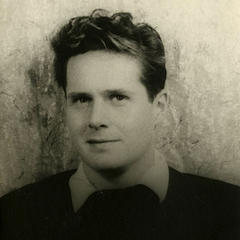
Ned Rorem
Ned Rorem

Ned Rorem is an American composer born on October 23, 1923. His unique musical style, blending classical and modern elements, has had a significant impact on the development of American music. more

You May Also Like

“It was a morning in early summer. A silver haze shimmered and trembled over the lime trees. The air was laden with their fragrance. The temperature was like a caress. I remember - I need not recall - that I climbed up a tree stump and felt suddenly immersed in Itness. I did not call it by that name. I had no need for words. It and I were one.”

“Essentially Satori is a sudden experience, and it is often described as a "turning over" of the mind, just as a pair of scales will suddenly turn over when a sufficient amount of material has been poured into one pan to overbalance the weight in the other. Hence it is an experience which generally occurs after a long and concentrated effort to discover the meaning of Zen.”

“This moment, this being, is the thing. My life is all life in little. The moon, the planets, pass around my heart. The sun, now hidden by the round bulk of this earth, shines into me, and in me as well. The gods and the angels both good and bad are like the hairs of my own head, seemingly numberless, and growing from within. I people the cosmos from myself, it seems, yet what am I? A puff of dust, or a brief coughing spell, with emptiness and silence to follow.”

“Philosophy lives in words, but truth and fact well up into our lives in ways that exceed verbal formulation. There is in the living act of perception always something that glimmers and twinkles and will not be caught, and for which reflection comes too late.”