“She laughed so easily when she was happy. But also when she was sad.”
Book:White Oleander
“She laughed so easily when she was happy. But also when she was sad.”
White Oleander is a work of fiction that follows the life of Astrid Magnussen, a girl whose mother, Ingrid, is a brilliant but narcissistic poet. After Ingrid is sentenced to prison for murder, Astrid is placed into a series of foster homes across Southern California. Each home presents a different set of challenges and influences, shaping Astrid's identity as she grows from a child into a young woman. The narrative explores themes of resilience, the search for belonging, and the powerful, often destructive, bond between mother and daughter. The title refers to a poisonous flowering shrub, serving as a metaphor for Ingrid's beautiful yet dangerous influence on her daughter's life. more
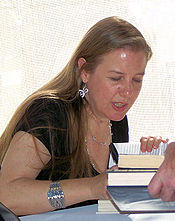
Janet Fitch is a renowned American contemporary author, born on November 9, 1955, in California. Her works are known for their profound character development and unique narrative style, with notable titles including 'The Geeks' and 'Paint It Black'. more
“It's hard to kill a creature once it lets you see its consciousness.”
“The only friends I have are the dead who have bequeathed their writings to me — I have no others.”
“I know I can't change the past, but I change the future. I can change, too. And I will.”