“The beginner should approach style warily, realizing that it is himself he is approaching, no other; and he should begin by turning resolutely away from all devices that are popularly believed to indicate style - all mannerisms, tricks, adornments. The approach to style is by way of plainness, simplicity, orderliness, sincerity.”
Quote by E. B. White
Work
In the Words of E.B. White: Quotations from America's Most Companionable of Writers
This book compiles a selection of notable quotes from the esteemed American writer E.B. White, highlighting his engaging and thoughtful prose. The quotations span various themes, including nature, writing, and life, offering a glimpse into the mind of one of America's most beloved authors. more
Author
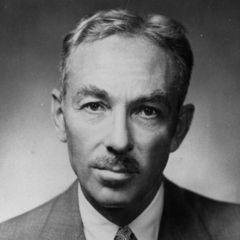
E. B. White
E. B. White, a renowned American writer, was born on July 11, 1899, and passed away on October 1, 1985. Known for his concise and elegant writing style, he is the author of classic works such as 'Charlotte's Web' and 'Stuart Little'. more
You May Also Like
Source: Essays of E. B. White
Source: The Letters of E. B. White
Source: the elements of style
“When I was a baby I had no teeth. I couldn't get a job and I couldn't eat meat.”
“Since I am used to speaking in public, I know that it is useless.”