“It is merely an accident of history that it is considered normal in our society to believe that the Creator of the universe can hear your thoughts while it is demonstrative of mental illness to believe that he is communicating with you by having the rain tap in Morse code on your bedroom window.”
Quote by Sam Harris
Work
The End of Faith: Religion, Terror, and the Future of Reason
This book delves into the complex relationship between religion and terrorism, exploring how religious beliefs can contribute to acts of violence and the future of rational thought in the face of such challenges. more
Author
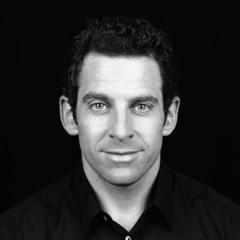
Sam Harris
Sam Harris is an American author, philosopher, and neuroscientist known for his work on atheism, rational thinking, and the scientific method. Born on April 9, 1967, Harris graduated from the University of California, Los Angeles with a Bachelor's degree in cognitive psychology. His writings, including 'Free Will', 'The End of Faith', and 'The Knowledge Problem', have sparked widespread debate around the world. Harris is also the host of several podcasts and television shows, including 'Sam Harris Podcast' and 'Waking Up with Sam Harris'. more
You May Also Like
“I felt it shelter to speak to you.”
Source: Letters of Emily Dickinson
“Take responsiblilty for yourself because no one's going to take responsibility for you.”
Source: The Scarlet Letter (Sparklesoup Classics)
Source: The Scarlet Letter
Source: The Selected Prose of Fernando Pessoa