“The fanatic is not really a stickler to principle. He embraces a cause not primarily because of its justness or holiness but because of his desperate need for something to hold onto.”
Book:THE TRUE BELIEVER
“The fanatic is not really a stickler to principle. He embraces a cause not primarily because of its justness or holiness but because of his desperate need for something to hold onto.”
This book delves into the reasons why people become fervent adherents of various ideologies, exploring the psychological and social factors that drive individuals to commit to causes and movements. It analyzes the dynamics of groupthink, the allure of charismatic leaders, and the psychological needs that are often satisfied through membership in such groups. more
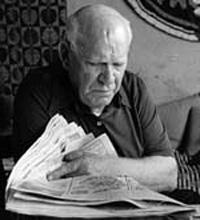
Eric Hoffer was an American philosopher known for his profound insights into human nature. His works often explore society, politics, and human behavior, particularly focusing on the experiences of the underclass. Hoffer came from a German immigrant family and worked in various jobs in California during his youth, including dockworker, cook, and gardener. His first book, 'The Ordeal of Change', was published in 1950 and quickly became a bestseller, gaining him widespread recognition. His other works include 'The Ordeal of Change' and 'The True Believer' among others. more
“Words have ruined more souls than any devil's agency.”
“We run fastest and farthest when we run from ourselves.”
“Originality is deliberate and forced, and partakes of the nature of a protest.”
“I look for what needs to be done. After all, that's how the universe designs itself.”