“He who influences the thought of his times influences the times that follow.”
Quote by Elbert Hubbard
Work
Little Journeys to the Homes of Great Teachers ...: no. 1. Booker T. Washington. no. 2. Thomas Arnold. no. 3. Erasmus. no. 4. Hypatia. no. 5. St. Benedict. no. 6. Mary Baker Eddy
The book offers detailed insights into the personal and professional lives of these influential figures in education and philosophy. Each chapter provides a comprehensive look at the homes where these individuals lived, their educational backgrounds, and their contributions to their respective fields. more
Author
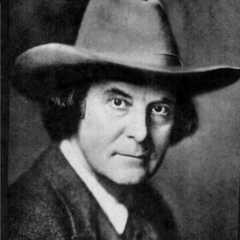
Elbert Hubbard
Elbert Hubbard was a prominent writer, publisher, and philosopher. He is best known for his magazine 'The Roycroft Studio' and his autobiography 'My Life and Work'. Hubbard's works emphasized the importance of craftsmanship, simple living, and self-improvement. more
You May Also Like
Source: On the Archetype and Homologies of the Vertebrate Skeleton
“Animals manifestly enjoy excitement, and suffer from annul and may exhibit curiosity.”
Source: Elements of Physiophilosophy
“Generation by male and female is a law common to animals and plants.”
“Homologue. The same organ in different animals under every variety of form and function.”
Source: On the Archetype and Homologies of the Vertebrate Skeleton
Source: Complete Works of Aristotle, Volume 1: The Revised Oxford Translation