“If you really wanted to understand this country, this alleged two-hundred-year attempt to establish a society on Enlightenment values, I could think of no better place to study that effort than from the perspective of those whom that society excluded and pillaged in order to bring those values into practice.”
Quote by Ta-Nehisi Coates
Work
We Were Eight Years in Power: An American Tragedy
This book is a compilation of essays that delve into the political and social dynamics of the United States during a specific eight-year period. The author examines the complexities of race, identity, and power, offering insights into the political climate of the time. more
Author
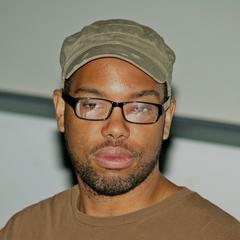
Ta-Nehisi Coates
Ta-Nehisi Coates is an American writer known for his insightful social commentary and literary works. His writings often focus on themes of race, history, and social justice, with his most famous work being 'Between the World and Me', which won the Pulitzer Prize in 2015. more
You May Also Like
Source: Gullah Days: Hilton Head Islanders Before the Bridge 1861-1956
Source: Gullah Days: Hilton Head Islanders Before the Bridge 1861-1956
Source: Blue Lily, Lily Blue
Source: John Adams: Independence Forever
Source: One Person, No Vote: How Voter Suppression Is Destroying Our Democracy
Source: One Person, No Vote: How Voter Suppression Is Destroying Our Democracy
Source: One Person, No Vote: How Voter Suppression Is Destroying Our Democracy
Source: Hidden Figures
Source: Incidents in the Life of a Slave Girl, Written by Herself
Source: Incidents in the Life of a Slave Girl, Written by Herself