“a perfect description of the “automatic cultural man”—man as confined by culture, a slave to it, who imagines that he has an identity if he pays his insurance premium, that he has control of his life if he guns his sports car or works his electric toothbrush. Today the inauthentic or immediate men are familiar types, after decades of Marxist and existentialist analysis of man’s slavery to his social system. But in Kierkegaard’s time it must have been a shock to be a modern European city-dweller and be considered a Philistine at the same time. For Kierkegaard “philistinism” was triviality, man lulled by the daily routines of his society, content with the satisfactions that it offers him: in today’s world the car, the shopping center, the two-week summer vacation. Man is protected by the secure and limited alternatives his society offers him, and if he does not look up from his path he can live out his life with a certain dull security: Devoid of imagination, as the Philistine always is, he lives in a certain trivial province of experience as to how things go, what is possible, what usually occurs… . Philistinism tranquilizes itself in the trivial…”
Quote by Ernest Becker
Book:The Denial of Death
Work
The Denial of Death
This book delves into the psychological mechanisms that drive individuals to repress thoughts of death, examining the various coping strategies and cultural responses to the inevitability of mortality. more
Author
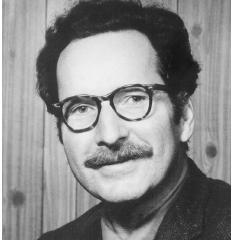
Ernest Becker
Ernest Becker was an American anthropologist known for his theories on human motivation and culture. His major work, 'The Denial of Death', explores how humans seek meaning and purpose by denying the fear brought by freedom. more
You May Also Like
Source: The Well
“You settle for less, you get less.”
Source: Remains To Be Seen
Source: Fourth and Long: The Fight for the Soul of College Football
Source: Coyote America: A Natural and Supernatural History