Quotessence
Home / Quotes / Quote by Thomas Hardy

Quote by Thomas Hardy

“So the baby was carried in a small deal box, under an ancient woman's shawl, to the churchyard that night, and buried by lantern-light, at the cost of a shilling and a pint of beer to the sexton, in that shabby corner of God's allotment where He lets the nettles grow, and where all unbaptized infants, notorious drunkards, suicides, and others of the conjecturally damned are laid.”

Quote by Thomas Hardy

Work

Tess of the D’Urbervilles

Browse quotes and source details for this work. more

Author
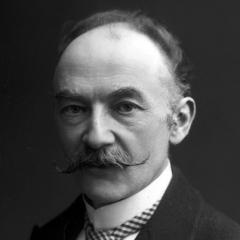
Thomas Hardy
Thomas Hardy

Thomas Hardy, a British novelist born on June 2, 1840, and died on January 11, 1928, is renowned for his novels that depict rural life, reflecting the social changes in 19th-century England. His works often carry a sense of pessimism, depicting the fates of characters with sympathy. more

You May Also Like

“Come to me in the dark, bring me all of your scars. I want to know every crack in your heart, every ache, every memory that haunts you. I want to see the realness in your face, the way your eyes stay light even when you talk of pain, and the way your lips are uneven when you smile. The grooves carved into your soul have made you beautiful and I want to run my fingers across the etches. I know people cover wounds and disguise their damage, but this is what makes you, you, and I want to know you. I want to sink inside of you and feel your depth. Don’t protect me from your story. We all have a story and I’m tired of drowning alone.”

“Something had shifted between us, faintly, but the change was almost palpable. Our friendship had sat lightly between us, an ephemeral thing, without weight or gravity. Once, in the Boboli Gardens, under the shadow of a cypress tree on an achingly beautiful October afternoon, he had kissed me, a solemnly sweet and respectful kiss. But weeks had passed and we had not spoken of it. I had attributed it to the sunlight, shimmering gold like Danaë's shower, and had pressed it into the scrapbook of memory, to be taken out and admired now and then, but not to be dwelled upon too seriously. Perhaps I had been mistaken.”

“WO PAL BHI KYA PAL THE WO PAL BHI KYA PAL THE. JO BITE HUE KAL ME THE. BITAYA THA EK WAQT UN DOSTO KE SATH BHULE BISRE UN RATO KE SATH. JITE THE HUM BHI GURUR ME ZINDAGI NA HARNE KE SURAT ME YE ZINDAGI. MILI THI JAB PAHLI NAZAR TUJHSE. GUM HO GAYA THA YE DIL KAHI MUJHSE. RUK GAYA THA WAQT JAISE. THAM GAYI THI YE SAANSE VAISE. WO PAL BHI KYA PAL THE. JO BITE HUE KAL ME THE WO CHUP CHUP KAR TUJHE DEKHNA. WO KHAWABHO ME BHI TUJHE DEKHNA WO DUAON ME TUJHE MANGNA WO NIGAHON ME TUJHE BAITHANA YAAD HAI WO SAB…. WO PAL BHI KYA PAL THE JO BITE HUE KAL ME THI TAB DIKHAYA TUNE. SACH HI BATAYA TUNE BIKTI HAI JAHAN ME SURAT NA HAI SIRAT KA KOI MOL. MILTI HAI MOHABBAT YAHA KAUDIYO KE MOL. ZIDD THI MERI BHI TUJHE PANE KI. EK DIN TUJHE EHSAS DILANE KI. SURAT TO BAS DO DIN KI KAHANI HAI. SIRAT HI ZINDAGI BHAR KAAM ANI HAI. AJ HOTA HAI TUJHE BHI MAHSOOS. JO KAL MUJH PAR THI BITI. AJJ WO TUJHKO HAI JINI . SAHI KAHA HAI KISI NE MOHABBAT KISI KO PAGAL BANA DE. TO KISI KO PATTHAR BANA DE. WO PAL BHI KYA PAL THE. JO BITE HUE KAL ME THE.”

“And the heat was a medium which made this change of out-look possible. As a liberating power with its own laws it was outside my experience. In the heat, the commonest objects changed their nature. Walls, trees, the very ground one trod on, instead of being cool were warm to the touch: and the sense of touch is the most transfiguring of all the senses. Many things to eat and drink, which one had enjoyed because they were hot, one now shunned for the same reason. Unless restrained by ice, the butter melted. Besides altering or intensifying all smells the heat had a smell of its own - a garden smell, I called it to myself, compounded of the scents of many flowers, and odours loosened from the earth, but with something peculiar to itself which defied analysis. Sounds were fewer and seemed to come from far away, as if Nature grudged the effort. In the heat the senses, the mind, the heart, the body, all told a different tale. One felt another person, one was another person.”