Quotessence
Home / Quotes / Quote by Andrew Klavan

Quote by Andrew Klavan

“I'd left them because I'd loved them. Beth and my parents and my friends and my life-my free, American life. I loved them, and if I had a chance to protect them from the people who wanted to destroy them then I had to take that chance even if it meant I would never see them again.”

Quote by Andrew Klavan

Work

The Truth of the Matter

Browse quotes and source details for this work. more

Author
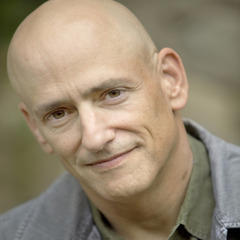
Andrew Klavan
Andrew Klavan

Andrew Klavan is an American writer known for his suspense novels and conservative viewpoints. His works often explore moral and religious issues, enjoying popularity among readers. more

You May Also Like

“Freedom, "that terrible word inscribed on the chariot of the storm," is the motivating principle of all revolutions. Without it, justice seems inconceivable to the rebel's mind. There comes a time, however, when justice demands the suspension of freedom. Then terror, on a grand or small scale, makes its appearance to consummate the revolution. Every act of rebellion expresses a nostalgia for innocence and an appeal to the essence of being. But one day nostalgia takes up arms and assumes the responsibility of total guilt; in other words, adopts murder and violence.”

“The principle of equality, which makes men independent of each other, gives them a habit and a taste for following, in their private actions, no other guide but their own will. This complete independence, which they constantly enjoy towards their equals and in the intercourse of private life, tends to make them look upon all authority with a jealous eye, and speedily suggests to them the notion and the love of political freedom. Men living at such times have a natural bias to free institutions. Take any one of them at a venture, and search if you can his most deep-seated instincts; and you will find that, of all governments, he will soonest conceive and most highly value that government whose head he has himself elected, and whose administration he may control.”

“Marianne touches his elbow, halting him. 'You know I'll tell you something about being married five times. Or married five times and still friends with my surviving ex-husbands'. She counts them on gnarled fingers. 'That would be three'. He waits. 'It teaches you damn all about love.' Paul begins to smile, but she hasn't finished. Her grip on his arm is surprisingly strong. 'What it does teach you, Mr McCafferty, is that there's a whole lot more to life than winning.”

“Mūsų laisvė pačiais ją įtvirtinančiais veiksmais sukuria tolydžio stiprėjančius įpročius, kurie ją pasmaugia, jeigu jos neatnaujina nuolatinės pastangos: jos tyko automatizmas. Pati gyviausia mintis sustabarėja ją išreiškiančioje formuluotėje. Žodis atsigręžia prieš idėją. Raidė nužudo dvasią. Ir netgi liepsningiausias mūsų entuziazmas, pasireiškiantis išoriniu veiksmu, kartais taip natūraliai pavirsta šaltu savanaudišku išskaičiavimu arba išpuikimu, vienas taip lengvai įgija kito formą, jog mes galėtume juos supainioti vieną su kitu, galėtume abejoti savo pačių nuoširdumu, neigti gerumą ir meilę, jei nežinotume, kad miręs dar kurį laiką išsaugo gyvojo bruožus.”