“[T]he powers granted by the proposed Constitution are the gift of the people, and may be resumed by them when perverted to their oppression, and every power not granted thereby remains with the people.”
Quote by James Madison
Work
The Writings of James Madison: 1787-1790
The Writings of James Madison: 1787-1790 is a compilation of James Madison's correspondence and political essays from the pivotal period of 1787 to 1790. It offers a comprehensive view of Madison's role in shaping the United States Constitution and his contributions to the early development of the federal government. The collection includes letters, essays, and other documents that reflect Madison's political thought and his interactions with key figures of the time. more
Author
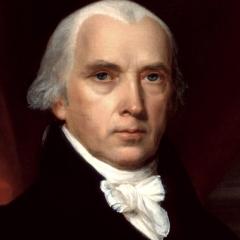
James Madison
James Madison, the 4th President of the United States, was born on March 16, 1751, and died on June 28, 1836. He was a key figure in drafting the U.S. Constitution and had a profound impact on the political system of the United States. more
You May Also Like
Source: The Debates in the Several State Conventions on the Adoption of the Federal Constitution: As Recommended by the General Convention at Philadelphia in 1787. Together with the Journal of the Federal Convention, Luther Martin's Letter, Yates's Minutes, Congressional Opinions, Virginia and Kentucky Resolutions of '98-'99, and Other Illustrations of the Constitution
Source: The Papers of James Madison
Source: Selected Writings of James Madison
Source: The Federalist
“Congress shall never disarm any citizen unless such as are or have been in actual rebellion.”
Source: The Debates in the Federal Convention of 1787: Which Framed the Constitution of the United States of America
Source: Memoirs of John Quincy Adams: Comprising Portions of His Diary from 1795 to 1848
Source: Inaugural Speeches from the Presidents of the United States - Complete Edition
“I cannot ask of heaven success, even for my country, in a cause where she should be in the wrong.”
Source: John Quincy Adams and American continental empire: letters, papers and speeches
“Roll, years of promise, rapidly roll round, till not a slave shall on this earth be found.”
Source: John Quincy Adams: Diaries 1821-1848
“The firmest security of peace is the preparation during peace of the defenses of war.”
Source: John Quincy Adams, 1767-1848; chronology, documents, bibliographical aids