“The imagination of a eunuch dwells more and longer upon the material of love than that of man or woman ... supplying, so far as he can, by speculation, the place of pleasures he can no longer enjoy.”
Quote by John Quincy Adams
Work
Memoirs of John Quincy Adams: Comprising Portions of His Diary from 1795 to 1848
This book is a compilation of personal reflections and observations by John Quincy Adams, detailing his experiences and insights during his lifetime. Adams, a key figure in early American politics, served in various roles including diplomat, senator, and Secretary of State. The diary entries provide a unique perspective on the political and social landscape of the United States during the early 19th century. more
Author
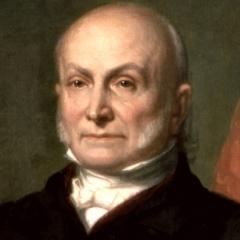
John Quincy Adams
John Quincy Adams was the 6th President of the United States, born on July 11, 1767, and died on February 28, 1848. He was a prominent statesman, diplomat, and scholar, known for his extensive knowledge and political experience. more
You May Also Like
Source: Inaugural Speeches from the Presidents of the United States - Complete Edition
“I cannot ask of heaven success, even for my country, in a cause where she should be in the wrong.”
Source: John Quincy Adams and American continental empire: letters, papers and speeches
“Roll, years of promise, rapidly roll round, till not a slave shall on this earth be found.”
Source: John Quincy Adams: Diaries 1821-1848
“The firmest security of peace is the preparation during peace of the defenses of war.”
Source: John Quincy Adams, 1767-1848; chronology, documents, bibliographical aids
Source: Memoirs of John Quincy Adams: Comprising Portions of His Diary from 1795 to 1848
Source: John Quincy Adams, 1767-1848; chronology, documents, bibliographical aids
Source: John Quincy Adams, 1767-1848; chronology, documents, bibliographical aids
Source: Memoirs of John Quincy Adams: Comprising Portions of His Diary from 1795 to 1848
Source: John Quincy Adams: Diaries 1821-1848