Quotessence
Home / Quotes / Quote by Noam Chomsky

Quote by Noam Chomsky

“Go back to classical times, say classical Greece. Who drank the hemlock? Was it someone who was conforming, obeying the gods? Or was it someone who was disrupting the youth and questioning the faith and belief? Socrates, in other words. It was Socrates.”

Quote by Noam Chomsky

Author
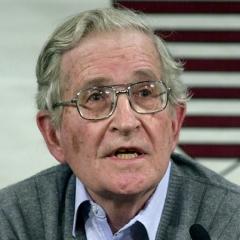
Noam Chomsky
Noam Chomsky

Noam Chomsky, born on December 7, 1928, is a renowned linguist from the United States. His research in generative grammar and transformational grammar has had a profound impact on modern linguistics. Chomsky's academic achievements extend beyond linguistics, as he is also an active political commentator and philosopher, known for his unique perspective and profound insights. more

You May Also Like

“Go back to the Bible, the Old Testament. I mean there were people who we would call intelectuals, there, they were called prophets, but they were basically intelectuals: they were people who were doing critical, geopolitical analysis, talking about the decisions of the king were going to lead to destruction; condemning inmorality, calling for justice for widows and orphans. What we would call dissident intelectuals. Were they nicely treated? No, they were driven into the desert, they were imprisoned, they were denounced. They were intelectuals who conformed.”

“I know of only one country, at least to my knowledge, which has a dissident culture where leading figures, I mean, the most famous writers, journalists, academics and so on, are not only critical of state policy, but are constantly carrying out civil disobedience and risking imprisonment and often being imprisoned, standing up for people's rights. That's Turkey.”

“I think the press, by and large, is what we call "liberal". But of course what we call "liberal" means well to the right. "Liberal" means the "guardians of the gates". So the New York Times is "liberal" by, what's called, the standards of political discourse, New York Times is liberal, CBS is liberal. I don't disagree. I think they're moderately critical at the fringes. They're not totally subordinate to power, but they are very strict in how far you can go. And in fact, their liberalism serves an extremely important function in supporting power.”

“No liberal newspaper ever talked about the invasion of Vietnam; they talked about the defense of Vietnam. And then they were saying, "well, it's not going well." Ok, that make them liberal. It's like, it's if we were to say, that going back to, say, Nazi Germany, that Hitler's general staff was liberal after Stalingrad because they were criticizing his tactics: "It was a mistake to fight a two front war, we should've knocked off Englad first," or something.”