Quotessence
Home / Quotes / Quote by George Eliot

Quote by George Eliot

Work

Life and letters

This book is a compilation of letters and personal essays, offering insights into the author's life and thoughts. more
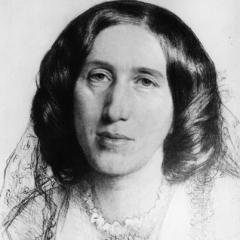
Author

George Eliot
George Eliot

George Eliot, born Mary Ann Evans, was a renowned 19th-century British novelist. Her works are known for their profound psychological insights and critical exploration of social issues. With her unique narrative techniques and rich emotional expression, she has had a profound impact on literature. more

You May Also Like

“In film, there are two ways of including human beings. One is depicting human beings. Another is to create a film form which, in itself, has all the qualities of being human: tenderness, observation, fear, relaxation, the sense of stepping into the world and pulling back, expansion, contraction, changing, softening, tenderness of heart. The first is a form of theater and the latter is a form of poetry.”

“Rather, it is the opening or the interruption that allows us to experience what is hidden, and to accept with our hearts our given situation. When film does this, when it subverts our absorption in the temporal and reveals the depths of our own reality, it opens us to a fuller sense of ourselves and our world. It is alive as a devotional form.”

“Life is to be experienced, not fought against, run from, or engaged halfheartedly. Though we may wish to make changes in the future, to be conscious is to be with an experience as it’s unfolding, rather than thinking about how we would like to change it. Taking charge of our life so that we alter the quality of our experiences in the future comes after an experience.”

“When you parent, it's crucial you realize you aren't raising a "mini me," but a spirit throbbing with its own signature. For this reason, it's important to separate who you are from who each of your children is. Children aren't ours to possess or own in any way. When we know this in the depths of our soul, we tailor our raising of them to their needs, rather than molding them to fit our needs.”