“Carry on, then, if only for the moment that it takes a tiny galaxy to blink!”
Quote by Wislawa Szymborska
Work
Poems New and Collected
This book compiles a selection of poems, including both new works and previously released pieces, showcasing the author's poetic range and development over time. more
Author
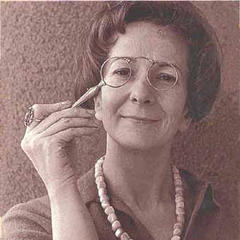
Wislawa Szymborska
Wisława Szymborska was a distinguished Polish poet celebrated for her concise, witty, and thought-provoking verses. Born on July 2, 1923, in Kraków, she spent much of her life in the city, which deeply influenced her work. Szymborska's poetry often explores themes of human experience, nature, and the absurdity of life. She was awarded the Nobel Prize in Literature in 1996, making her the sixteenth woman to receive the honor. She passed away on February 1, 2012. more
You May Also Like
Source: Poems, New and Collected, 1957-1997
“Existentialists are monumentally and monotonously serious; they don't like to joke.”
Source: Sounds, Feelings, Thoughts: Seventy Poems
“Get to know other worlds, if only for comparison.”
Source: View with a Grain of Sand: Selected Poems
“I don't know the role I'm playing. I only know it's mine, non-convertible.”
Source: Poets and Dreamers Studies and translations from the Irish
“No one in my family has ever died of love. What happened, happened, but nothing myth-inspiring.”
Source: Sounds, Feelings, Thoughts: Seventy Poems